PERK / 2021 / MY FIRST STARTUP ATTEMPT
I had just earned my design degree.
I thought I could fix parking.
Fresh out of design school, the world felt full of badly designed problems. Delhi parking looked like an obvious one - physical, visible, frustrating and somehow begging for a digital answer.
This is less a “successful startup” case study and more the story of how an interface taught me to think beyond interfaces.
THE CITY / SECONDARY RESEARCH
Before interviews,
there were headlines.
Secondary research did not give us a product. It gave us permission to believe the pain was real congestion, scarcity, disputes, safety and incomplete information were already showing up in the world around us.
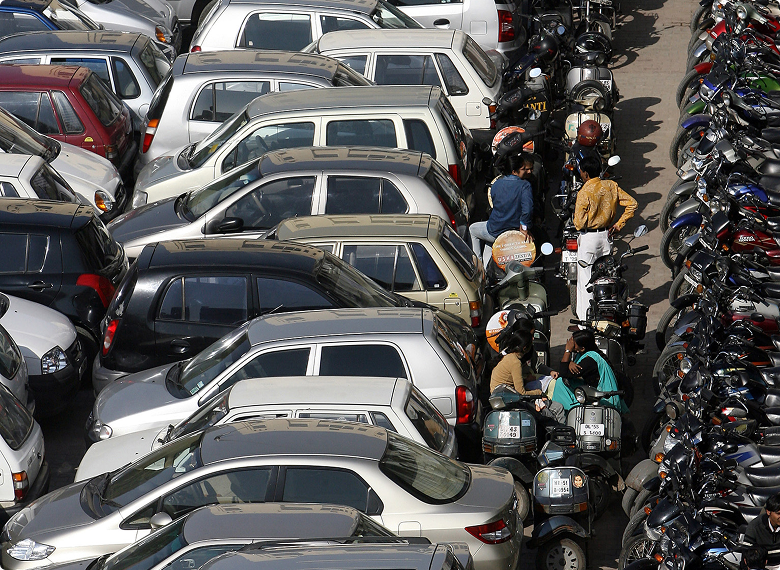
30% OF ROAD CONGESTION
Vehicles circling while searching for parking kept appearing as part of the traffic problem.
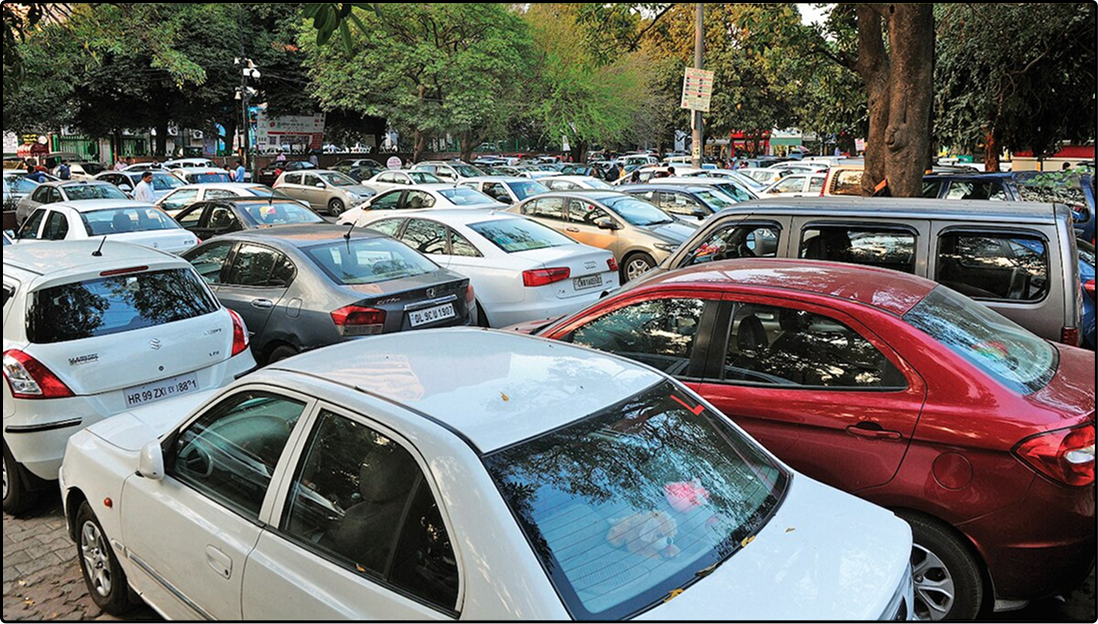
“Delhi ready to kill for a parking slot”
One source in the old case study noted around 250 police-control-room calls a day linked to residential parking feuds.
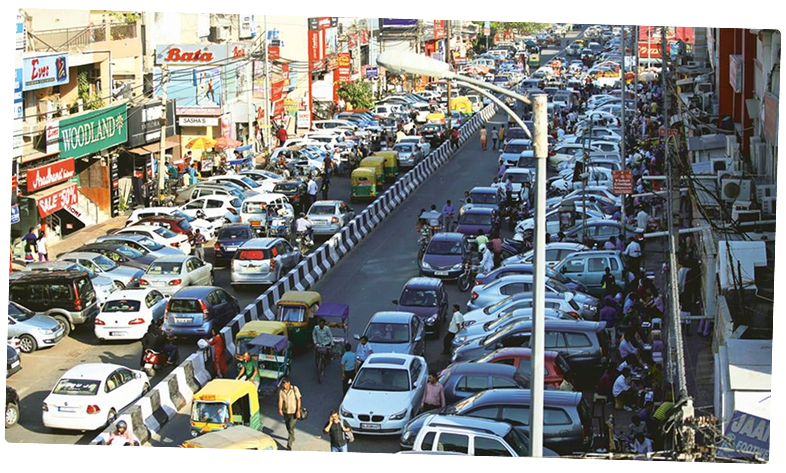
70% DEMAND–SUPPLY GAP
Availability was not only a search problem. It was a system problem.
WHAT CHANGED
The problem was bigger than parking.
Availability, awareness and safety were entangled.
NEXT QUESTION
Where does it actually break hardest - residential parking or market-area parking?
THE FORK / TWO PARKING PROBLEMS
We thought we were solving parking.
Research changed the problem.
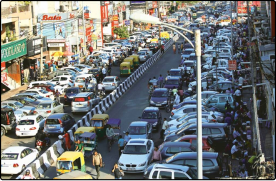
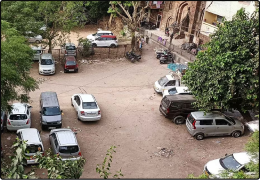
Residential and market-area parking behaved like two different products.
A NOTE FROM 2021
Park+ existed, but it was not yet the category benchmark framing how we thought about parking tech.
Discovery here. Vehicle utilities there. Booking somewhere else.
RESIDENTIAL
Long-term parking
Overall demand exceeds supply. Safety, encroachment and finding a dependable spot near home dominate the experience.
MARKET AREA
Short-term parking
Overall demand exceeds supply. Safety, encroachment and finding a dependable spot near home dominate the experience.
THE MESSY BIT / USER JOURNEY
There was no single catastrophic UX failure.
Just small uncertainties stacked on top of each other. Where will I park? Is it full? Is my car safe? How far will I walk? Do they take digital payment?
THE PRODUCT IDEA
Remove uncertainty one layer at a time.
DECEMBER 2021 / SHIP TARGET
Then the project stopped being about ideas.
We had to ship.
The Shark Tank team wanted an MVP out quickly, with December 2021 as the target. That forced us to cut hard: booking, availability, distance, scheduling and payment mattered. Plenty of “nice-to-have” ideas did not.
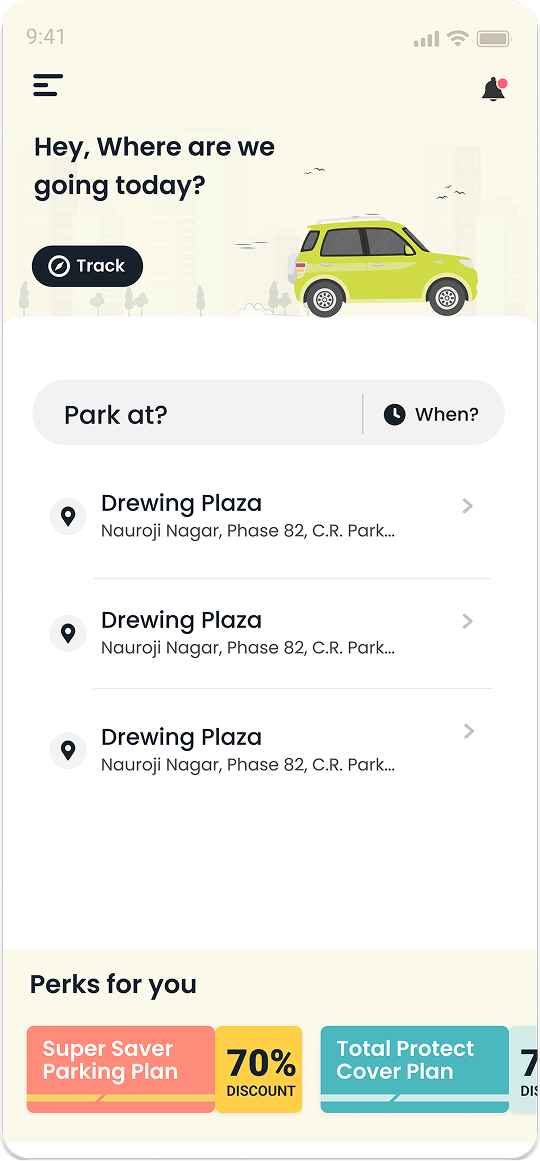
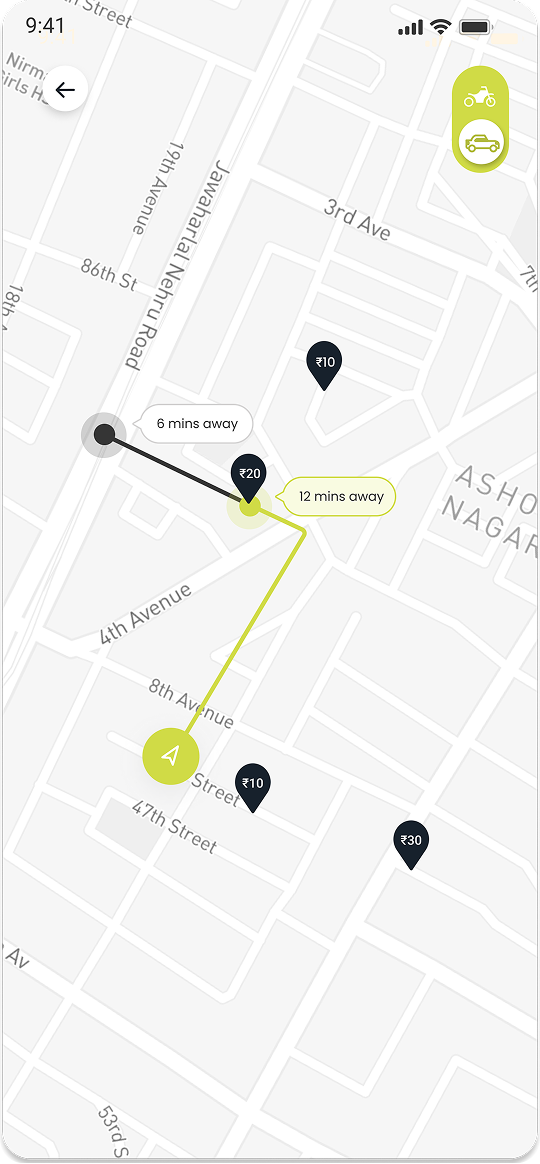
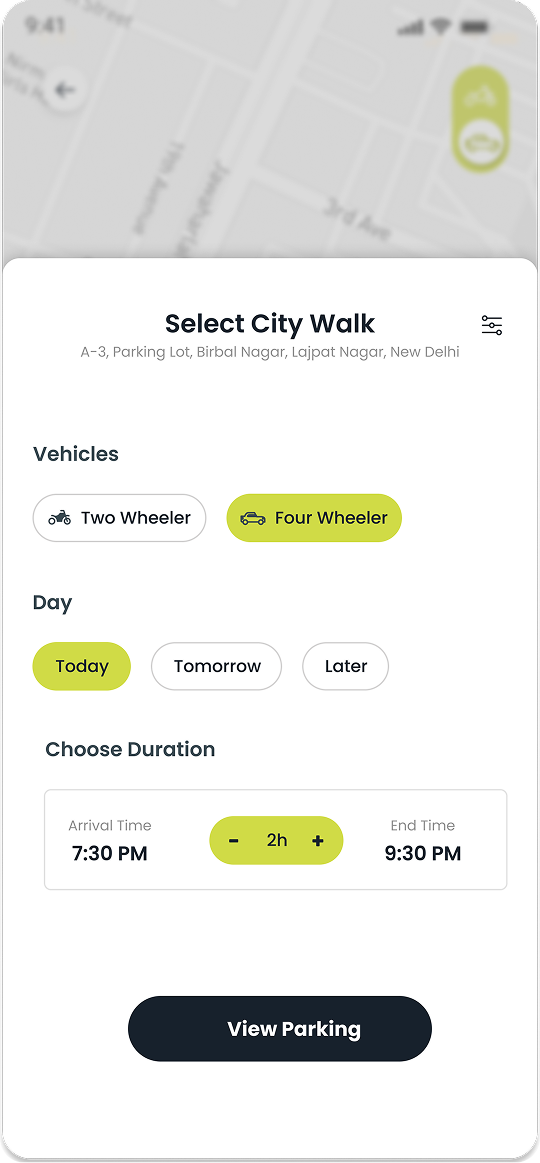
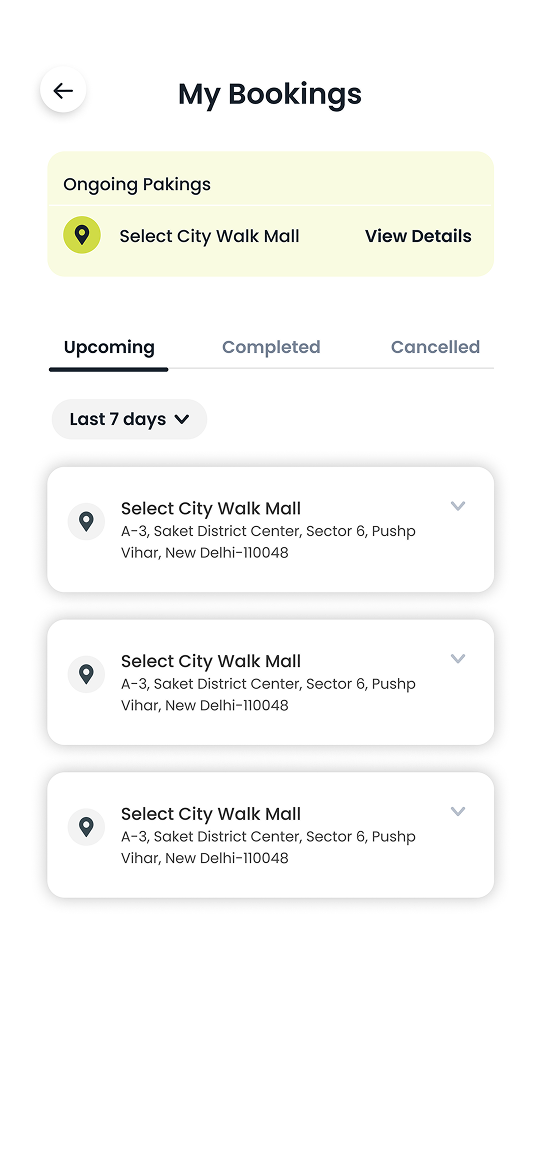
The screens were starting to look real.
That was exactly the dangerous part.
REALITY CHECK
A believable prototype is not the same thing as a buildable product.
THE FAILURE / WHAT FIGMA COULDN’T SOLVE
We designed the MVP
faster than we could build it. We failed to ship.
We had a convincing interface, a deadline and a growing sense of momentum. What we did not have was the development and operational strength to turn the prototype into a dependable parking service by December.
AVAILABILITY
Real-time parking data had to stay accurate.
INVENTORY
Parking locations had to participate and remain updated.
PAYMENTS
Booking and payment needed to survive outside the happy path.
OPERATIONS
The physical lot had to agree with what the app promised.
The screen my freshly-graduated self loved was only the visible layer.
The service underneath was the actual product.
This was my first real lesson in the difference between designing a flow and building a system that has to work in the world.
THE PITCH / ANOTHER TEST
The pitch was another usability test.
This time, the interface could not answer for me.
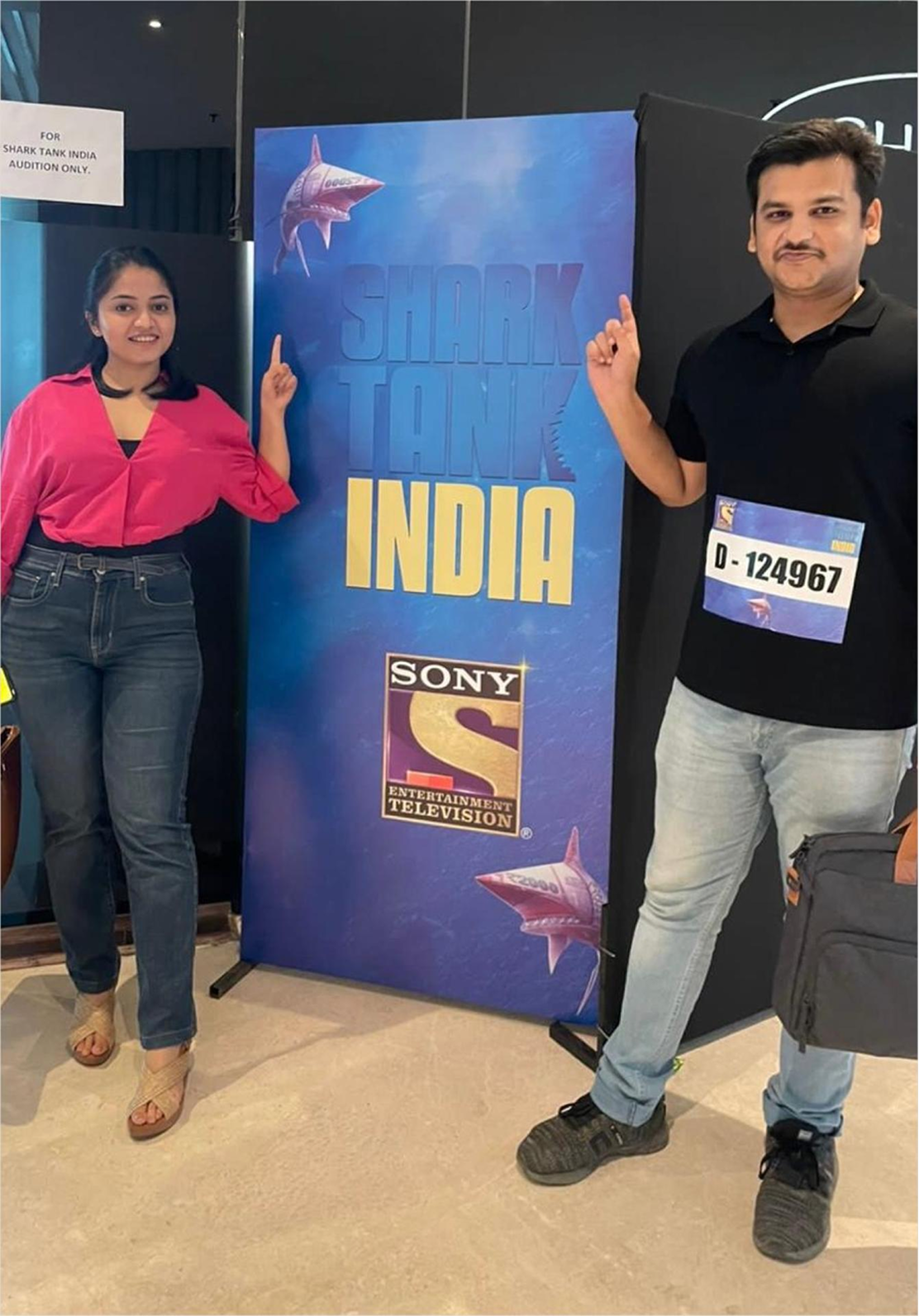
Perk reached the initial audition rounds of Shark Tank India. It was not a televised appearance and there was no funding claim but the pitch changed the questions completely.
SUPPLY
Why will parking operators participate?
TRUST
How will availability stay accurate?
OPERATIONS
What happens when the physical lot disagrees with the app?
ECONOMICS
How does this become a sustainable business?
WHAT STAYED / AFTER PERK
Perk did not become the company I thought I was building.
And that is exactly why it belongs here.
I had come out of NIFT thinking mostly about interfaces, users, flows and craft. Perk pushed me into research, prioritisation, business models, operational dependencies, technology constraints and pitching before I had the vocabulary to describe most of those things.
SCREENSERVICE
Design the whole journey, not the interface alone.
FLOWOPERATIONS
Ask what has to be true in the real world for the flow to work.
IDEAEVIDENCE
Treat assumptions as things to test, not things to defend.
DESIGNNARRATIVE
A product has to be understandable before it can be believed.
THE LINE I KEPT
I went in thinking about parking UX. I came out thinking about systems.
The product did not survive.
The founder muscle did.
THE MVP · IN MOTION