Helping readers to get an answer, not another article.
HEALTHSHOTS · HT MEDIA · 2023 - 2024
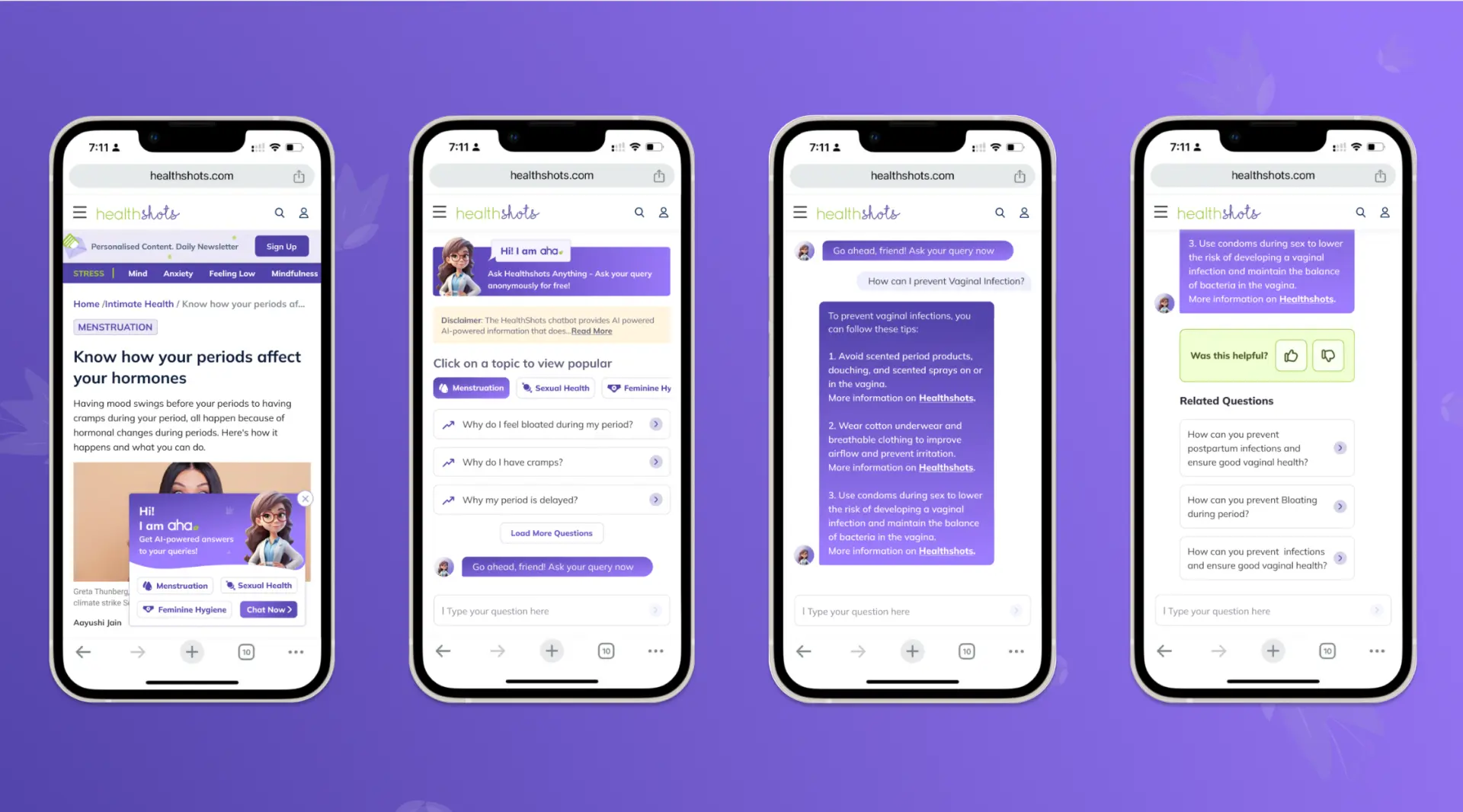
I worked on AHA, a conversational discovery experience for HealthShots, designed to help readers move from a specific health concern to a contextual answer without navigating through layers of categories, articles and related links.
 46.8k1,21153.1k
HealthShots already had a large editorial library. The design challenge was not creating more content and it was reducing the distance between a reader’s question and the content that could answer it.
Challenge
HealthShots had plenty of content. Finding the right answer was the problem.
Readers arriving with a specific health concern were being asked to navigate a publishing architecture - categories, subcategories, related stories and recommendation modules - when what they actually wanted was an answer. High drop-off and unanswered questions made the discoverability gap visible.
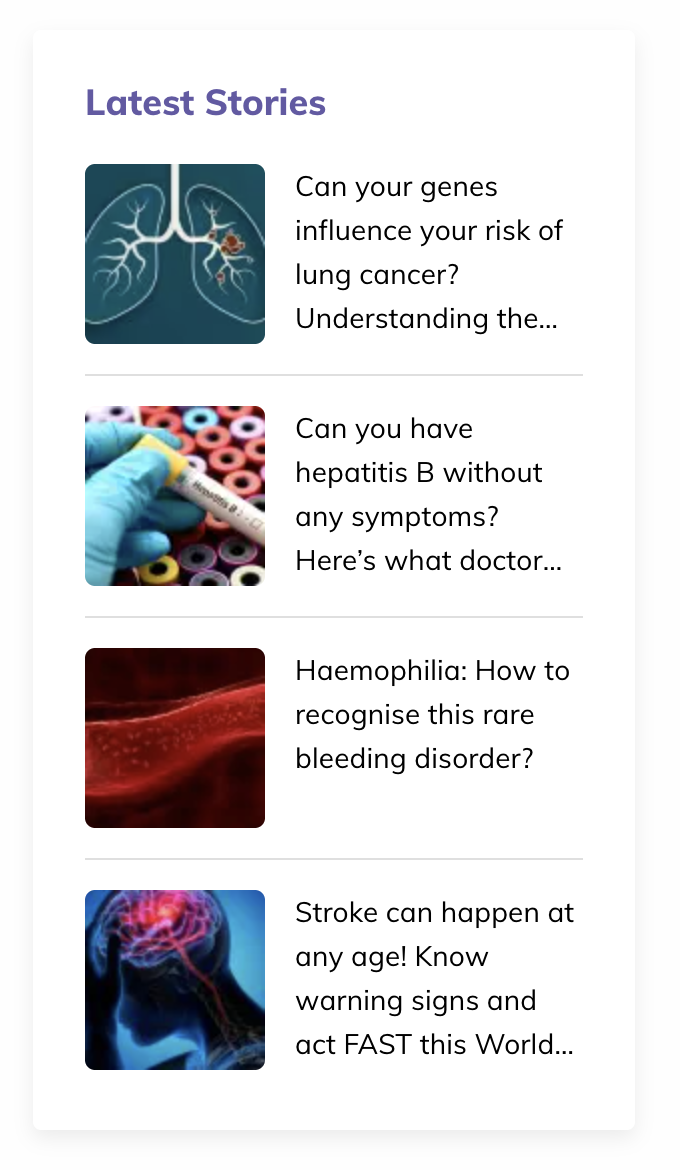
widget for content discoverability


Section and Subsection links in breadcrumb menu for relevant content discovery
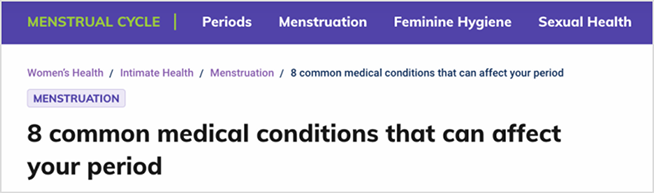
links in breadcrumb menu for content discovery
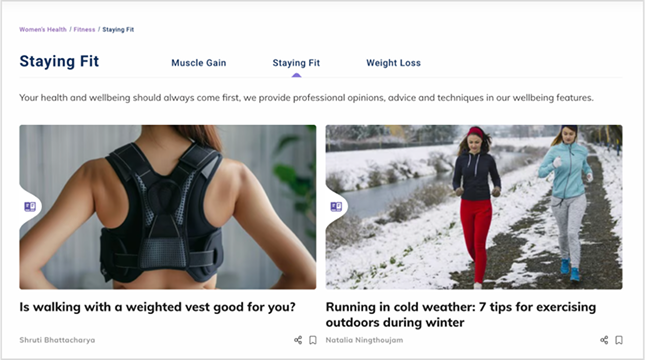
Relevant articles in subcategory/ category pages
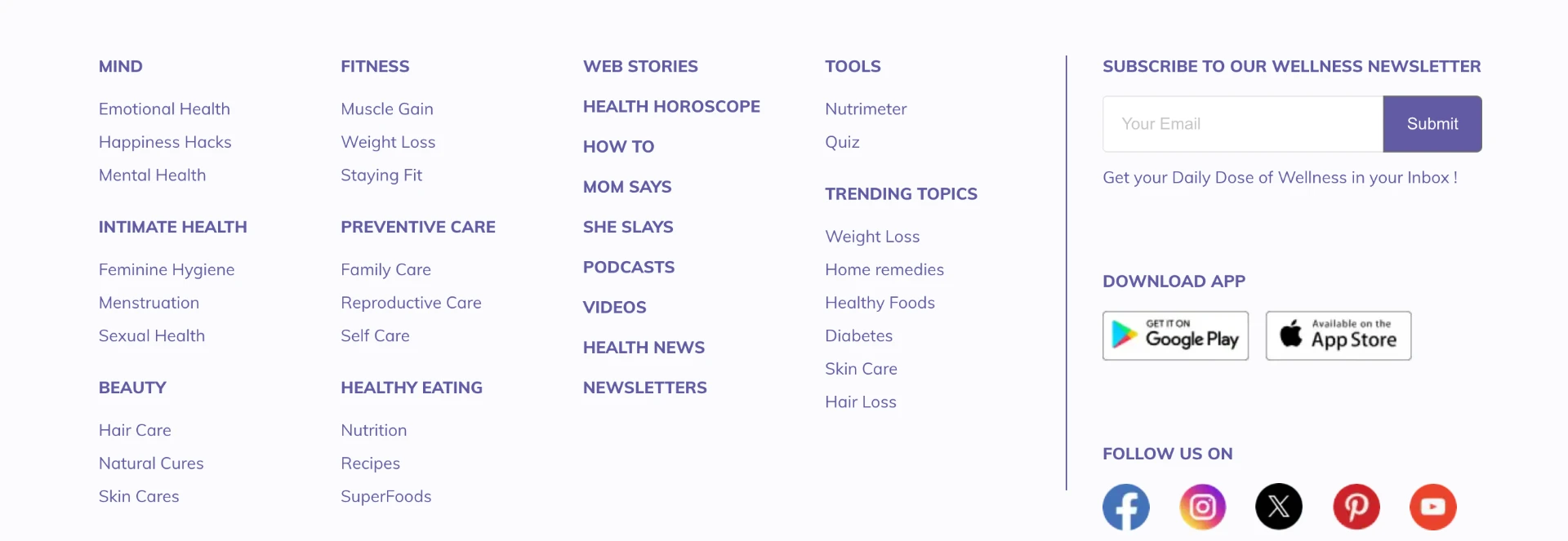
discoverabilitySection and subsection Navigation from footer
Relevant story widget between paragraphs
Research & Analysis
The evidence pointed to a shorter, mobile-first path to answers.

93.6% of active users were on mobile.
The experience could not depend on complex desktop navigation or a search-heavy model. Mobile behaviour made speed, context and low-effort entry critical.
Search fatigue
Users were surrounded by information but still struggled to pinpoint a specific answer.
Weak rediscovery
Poor content discoverability reduced the chance that readers would find value again.
Product Direction
The answer wasn’t better navigation. It was a shorter path from intent to information.
HealthShots already had categories, subcategories, related stories and recommendation modules. Adding another navigation layer would still ask readers to understand how the library was organised. Instead, we brought the next action to the point where intent was already clear: let the reader ask from the article they were already consuming.
Solution
AHA became a HealthShots-native conversational layer.
AHA - Ask HealthShots Anything - combined contextual prompts, suggested health topics, conversational responses and relevant follow-up content. The product needed to feel approachable enough for sensitive health questions while remaining clearly part of the HealthShots ecosystem.
Context before conversation
Suggested prompts and related questions reduced the effort of starting from a blank input.
Human, without pretending to be human
A warmer tone made sensitive topics easier to explore while keeping the experience informational.
Distinct, but still HealthShots
AHA received its own recognisable identity while borrowing cues from the parent brand.


A lightweight identity helped AHA feel recognisable without becoming a separate product from HealthShots.
Distribution Strategy
AHA had to be discoverable without becoming intrusive.
Rather than creating one isolated chatbot destination, we distributed AHA across moments where a reader’s intent was already visible: inline within articles, as a collapsed floating entry point, and as an expanded prompt on broader discovery surfaces.
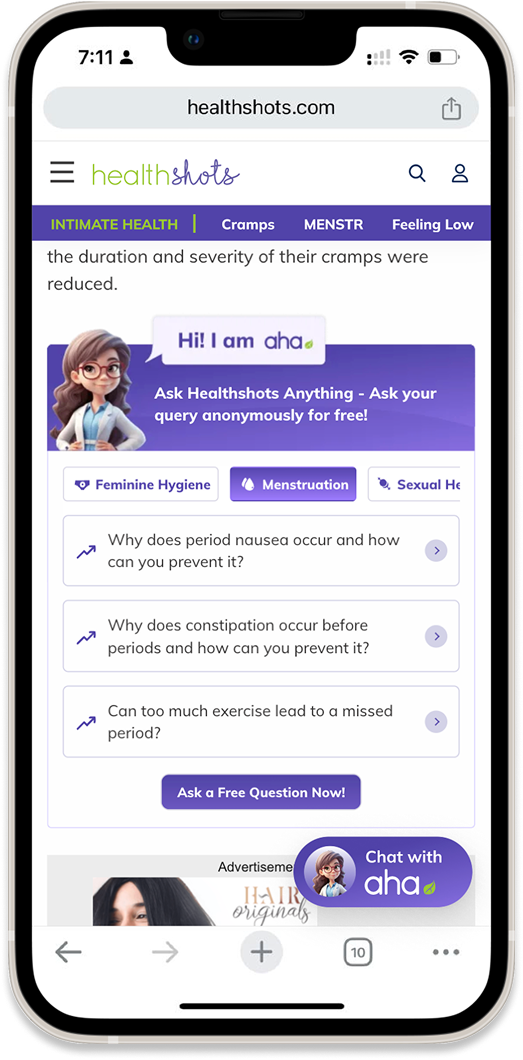
Inline article widget
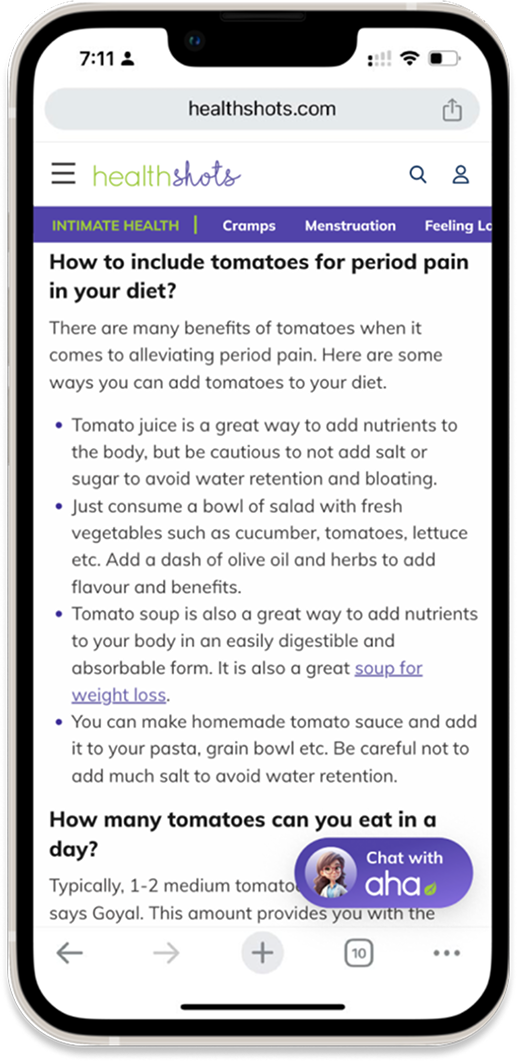
Floating · collapsed
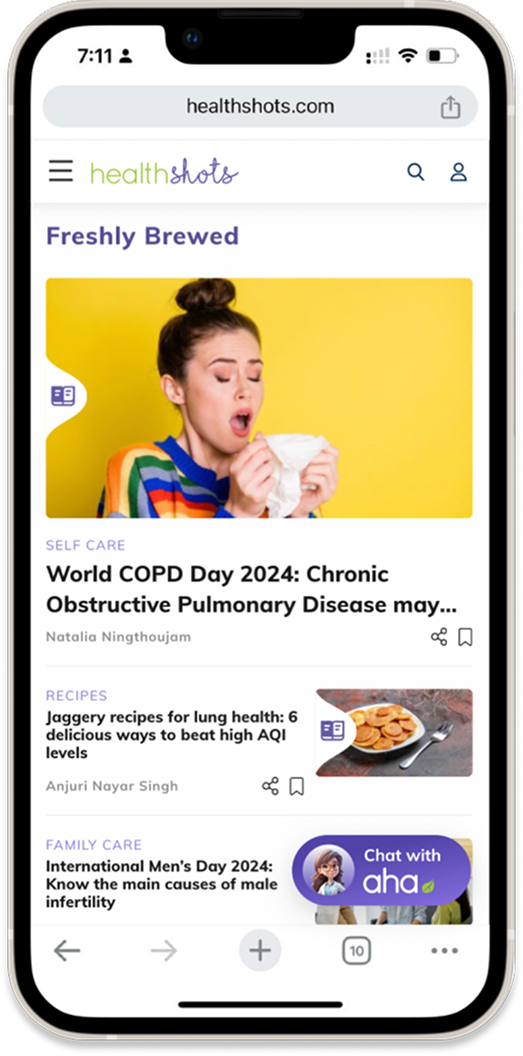
Homepage · collapsed
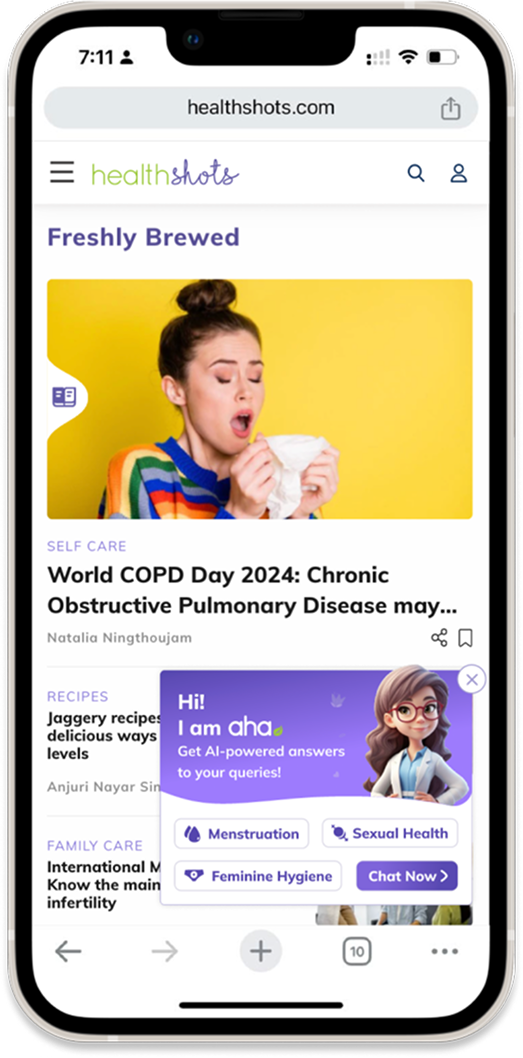
Homepage · expanded
Results
AHA changed how readers engaged with HealthShots content.
After launch, the tracked engagement metrics increased substantially from March to August. The strongest evidence is behavioural: more questions asked, more daily active users and far more clicks into the experience.

Total queries · March to August
Sometimes discoverability isn’t an information-architecture problem. It’s a distance problem.
AHA worked by reducing the distance between what someone wanted to know and the HealthShots content that could answer it.